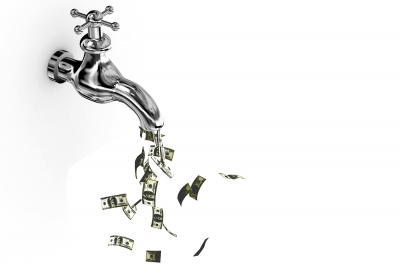
Water pricing is a delicate art, as utilities often must balance competing priorities when setting rates. How can the utility set rates that ensure financial sustainability for the system while also balancing affordability concerns for customers? With any rate increase, the ability of customers with low income (sometimes on fixed income) to pay their bills in full and on time is a crucial consideration. Establishing an equitable rate structure benefits not only these ratepayers, but also the utility, which can now more confidently project revenues. Utilities employ several mechanisms to help customers afford and pay their bills. One mechanism is to develop a Customer Assistance Program that helps individual customers pay part of their water bills when they cannot afford to pay on their own.
Tag: Atlanta

- The UNC EFC’s webinar on financial benchmarking tools for elected Maryland officials is TOMORROW from 1-3PM ET! Lea… https://t.co/dvrxpdrhl2
- @GEFAloan Information about the Georgia Rates Dashboard can be found here: https://t.co/N3ZMh6rEof
- REMINDER! Learn how to maintain long-term financial sustainability in this FREE webinar on May 31. Hosted by the UN… https://t.co/CIfHsyIuTj